Vintage Floral Junk Journal Background: A Digital Toolkit for Timeless Design
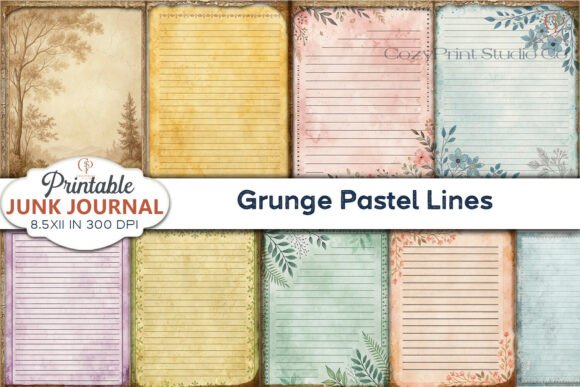
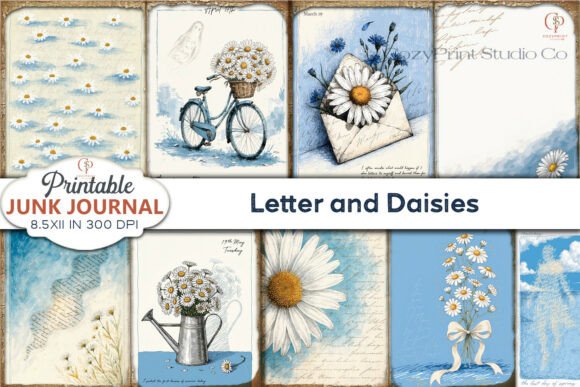
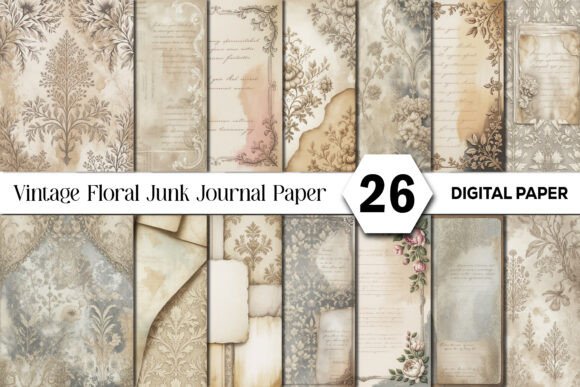
There’s a distinct charm to objects that feel like they’ve lived a little. The slightly worn page, the ghost of a handwritten note, a botanical illustration that looks like it was pressed between the pages of a favorite book for decades. This is the essence of the Vintage Floral Junk Journal Background collection. It’s not just a set of digital papers; it’s a curated aesthetic, a toolkit for injecting instant history and tactile warmth into any project. At its core, this collection is built on a foundation of antique textures, faded handwriting, and delicate botanical patterns, all unified by a palette of soft neutral tones and a distinctly shabby chic sensibility.
More Than Just Paper: Defining the Aesthetic
Think of this collection as a premium font for your visual background. Just as a typeface sets the tone for text, these backgrounds establish an immediate mood. The personality here is nostalgic, romantic, and authentically rustic. It avoids the sterility of digital perfection, embracing instead the beautiful imperfections of age—subtle stains, softened edges, and ink that appears to have been laid down by hand. The floral elements are not loud or modern; they are classic, often appearing as delicate line drawings or softly watercolored blooms, reminiscent of vintage seed catalogs or botanical journals. This style of editorial design asset speaks to a desire for authenticity and craftsmanship in an increasingly digital world.
The appeal is broad, but it resonates deeply with those who value story and texture. For designers and brand strategists, it offers a powerful way to communicate heritage, care, and artisanal quality without saying a word. The overall aesthetic feels personal, curated, and intentional, making it a versatile tool for creating a specific brand identity.
Strategic Applications: Where This Collection Shines
The true value of a design asset lies in its application. A Vintage Floral Junk Journal Background is far more than a decorative element; it’s a strategic layer that can enhance context and engagement. Its uses span both digital and print, personal and commercial realms.
- Branding & Marketing: For businesses in the wedding industry, artisanal food, boutique retail, or handmade goods, these backgrounds are gold. Use them as the foundation for social media graphics, website hero images, or email newsletter headers to instantly convey a story of quality and tradition. They work exceptionally well as subtle layers beneath typography in logo design concepts for brands seeking a nostalgic or feminine touch.
- Publishing & Editorial: Authors and publishers can use these backgrounds for book cover mockups, chapter title pages, or promotional materials, especially for genres like historical fiction, romance, or memoir. They add a layer of visual depth that generic stock photos often lack.
- Digital & Printable Crafts: This is where the collection truly excels. As printable crafts material, the applications are endless: creating custom journal pages, scrapbook layouts, invitation suites, greeting cards, decoupage materials, and planner dashboards. The high resolution 300 DPI and 8.5x11 inch size ensure crisp, professional prints every time.
- Web Design & UI: While not for body text, these textures can be used sparingly in web design for blog post featured images, section dividers, or behind quote blocks to break up digital monotony and add a human touch.
The key is to use the background to support, not overwhelm. Its shabby chic nature means it pairs best with clean, modern typography. Try combining it with a simple sans serif font for body copy to create a beautiful contrast between the ornate background and the legible text. This pairing creates a clear visual hierarchy, ensuring your message remains front and center.
Practical Guidance: Selecting and Implementing Your Assets
Before diving into a project, a thoughtful evaluation process is crucial. Here’s how to approach using a Vintage Floral Junk Journal Background effectively:
- Evaluate Project Fit: Does the project’s message align with warmth, history, or romance? A fintech startup’s annual report might not be the best fit, but a local bakery’s new menu certainly is. The background should amplify your story, not contradict it.
- Test Readability: Always place your text—whether a script font, serif font, or sans serif font—over the background at actual size. Check for sufficient contrast. Sometimes, a slight overlay of a solid color (at 20-30% opacity) can help text pop without completely obscuring the beautiful texture beneath.
- Master Font Pairing: This is critical. The ornate nature of the background demands a simple, confident typeface. A bold display font for headlines and a clean, legible modern typography sans serif for body text is a classic and effective combination. Avoid overly decorative handwritten fonts as the primary text, as they can become lost in the floral patterns.
- Review the Included Styles: A collection with 26 backgrounds offers variety. Don’t use the same one for everything. Differentiate between projects by selecting papers with varying levels of texture, different dominant florals, or subtle shifts in tone from cream to soft gray or blush. This maintains interest across a brand identity system.
- Understand Commercial Use: The “Commercial Use Friendly” license is a significant advantage for entrepreneurs and content creators. It typically means you can use these backgrounds in products you sell (like printed invitations or digital planners) without additional fees, but always double-check the specific license terms for any restrictions on redistribution of the original files.
Ultimately, the Vintage Floral Junk Journal Background collection is a versatile design asset. It’s a bridge between the analog warmth of the past and the crisp functionality of digital design. By understanding its personality and applying it with intention, you can elevate projects from simply functional to genuinely resonant, crafting visuals that feel both timeless and deeply personal. It’s not just a background; it’s a starting point for a story.